
The Spine–Nervous System Connection
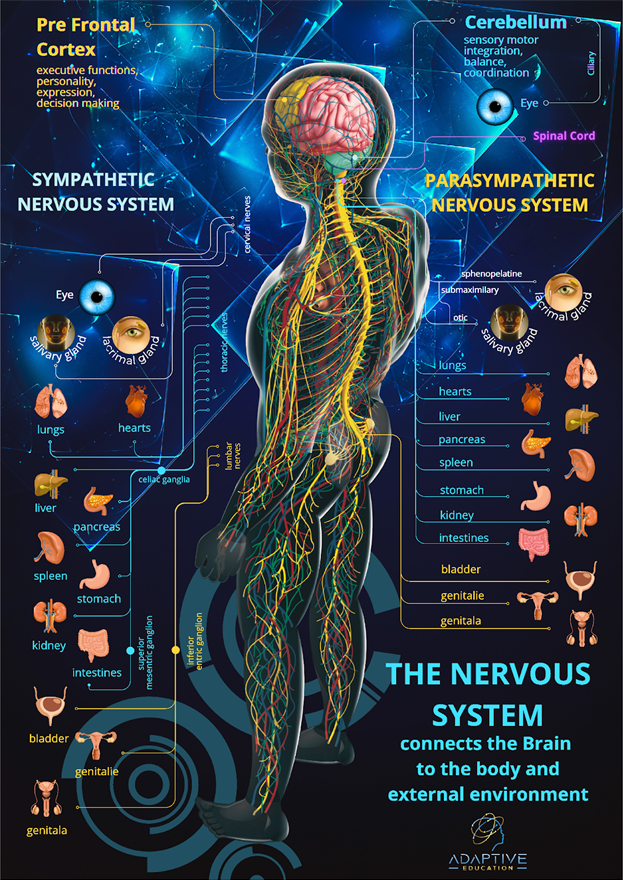
The nervous system is the body’s master control system. It consists of the brain, spinal cord and nerves and it regulates every function in the body including movement, sensation, organ function, immune response and the ability to adapt to stress.
For the nervous system to work optimally it must communicate clearly and efficiently with the rest of the body. The spine plays a crucial role in protecting the spinal cord and providing pathways for nerves to exit the spinal column and communicate with muscles, joints and organs.
When spinal joints lose proper movement or alignment, often referred to in chiropractic as spinal dysfunction or subluxation, this can interfere with normal nerve signaling. Such interference may contribute to pain, stiffness, reduced mobility and altered function in other parts of the body.
Chiropractic care focuses on assessing and improving spinal movement and joint function. Through specific, controlled adjustments and manual techniques, Chiropractors aim to restore normal motion to spinal joints, reduce mechanical stress, and support healthier nervous system communication. By improving spinal function, chiropractic care helps create an environment in which the nervous system can operate more effectively. Research suggests that chiropractic adjustments can influence how the nervous system processes information, particularly in relation to posture, movement and pain perception. Many patients report improvements not only in musculoskeletal symptoms, such as back and neck pain but also in overall wellbeing, mobility and resilience to physical stress.
In essence, chiropractic care recognises the close relationship between the spine and the nervous system. By optimising spinal function, chiropractic aims to support the body’s natural ability to regulate, heal and adapt, helping individuals move better, feel better and function at their best.

Views: 50